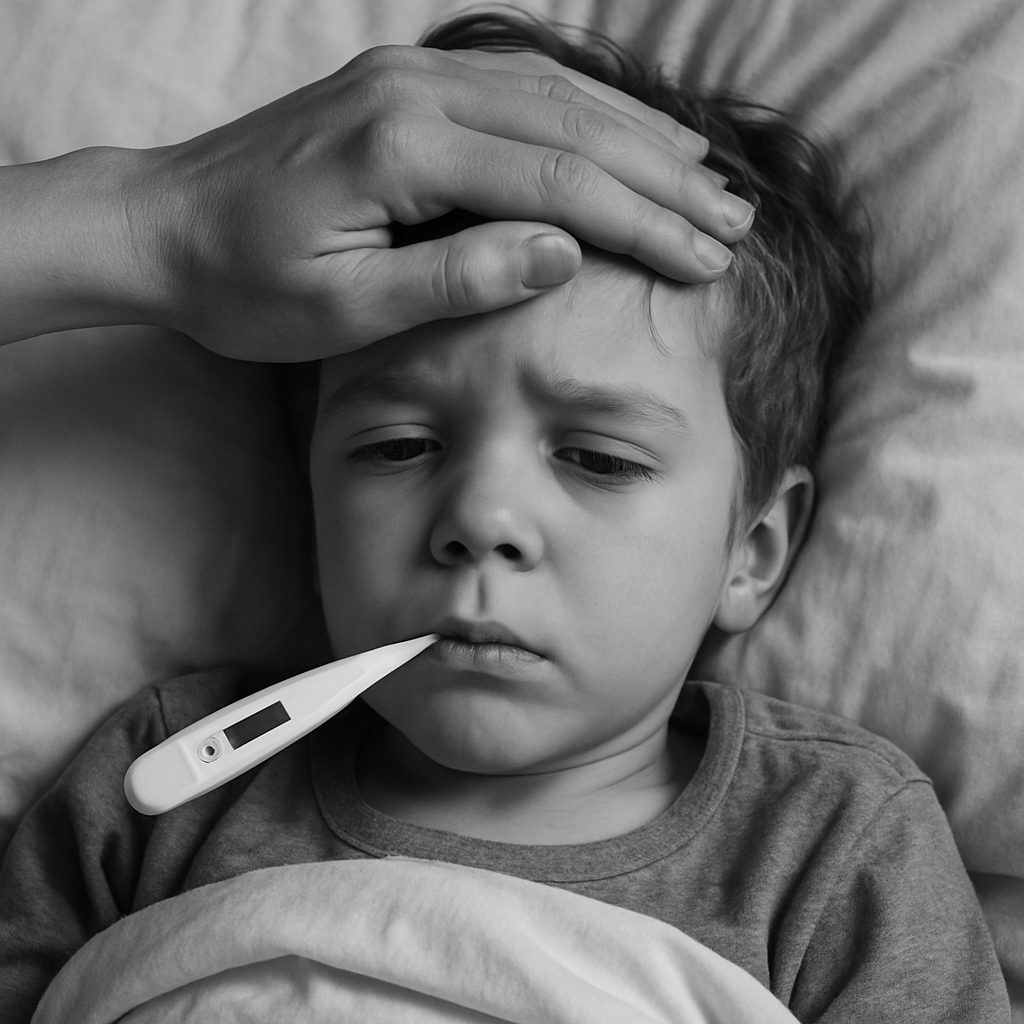
In the summer of 2007, a man returned home to the quiet Italian village of Castiglione di Cervia after a trip to India. Within days, he developed high fever, a rash, and such severe joint pain that he could barely walk. The doctors who worked on this case were surprised, because no one suspected chikungunya. This was a tropical disease, far from our European life. But this traveller became Europe’s first known local case, and the virus, carried by the Asian tiger mosquito, began to spread. In just a few weeks, 217 confirmed cases were reported across Castiglione di Cervia and neighbouring Castiglione di Ravenna, with hundreds more suspected. Many people suffered prolonged pain. An 83-year-old man with underlying conditions did not survive.
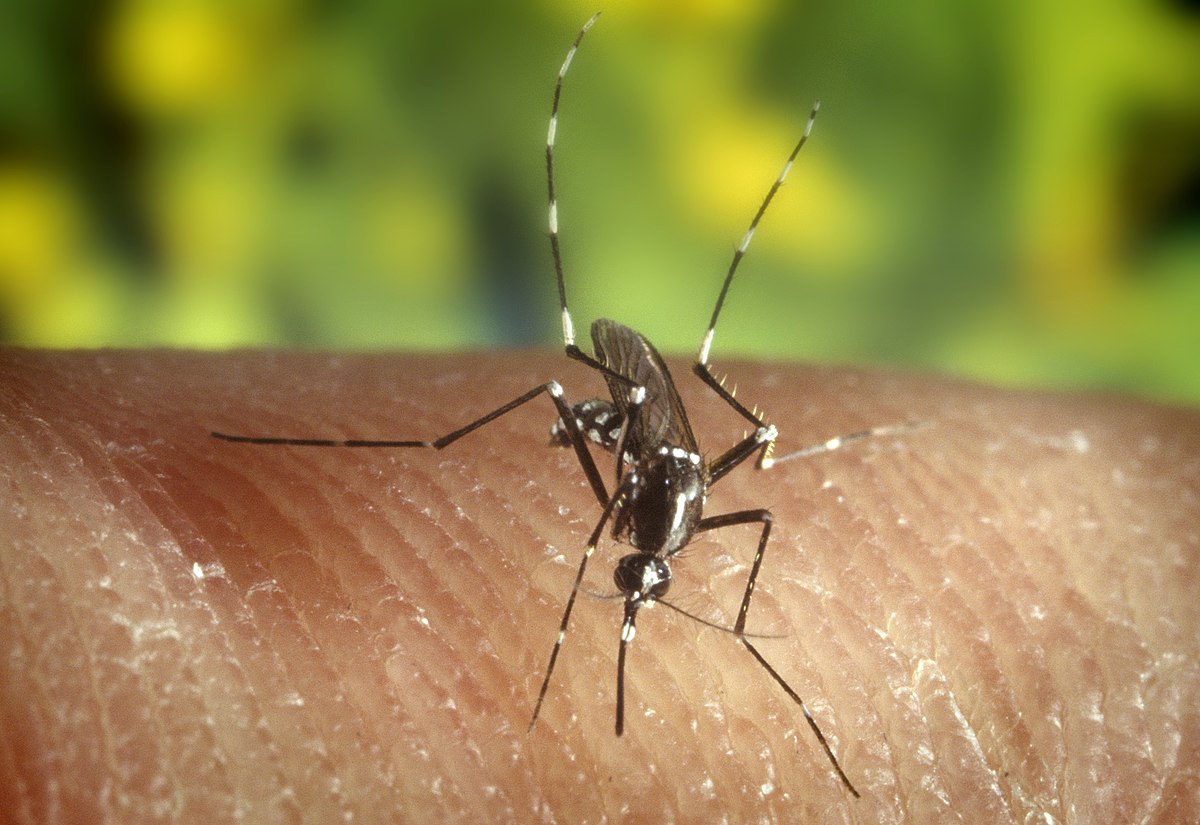
Today, you could be sitting outside in your garden somewhere in Munich or Ljubljana as evening comes. You might be talking and laughing, minding your own business, when something very annoying bites you by the ankle. You slap it with your hand, smashing its tiny body, until your hand turns red from your own blood. You look closely and what do you see? Big bold stripes. This is the Asian tiger mosquito. This small, annoying Southeast Asian creature has crossed continents and now lives in Europe’s cities and towns, including Germany and Slovenia. These mosquitoes are capable of carrying diseases that were once considered distant problems. Dengue fever, chikungunya, and Zika virus. After that Italian 2007 chikungunya outbreak, dengue fever followed with local cases in France and Croatia in 2010. Two cases in France and seventeen in Croatia. West Nile virus, carried by a European local criminal, Culex mosquitoes, had already shown Europe’s weakness with a severe outbreak in Romania in 1996. It caused 393 people to be hospitalized and 17 deaths.
These mosquito diseases spread through infected mosquito bites. The spreading happens when a mosquito bites an infected person or an animal, drinks infected blood, then bites a healthy person and passes the virus along. But different diseases work in different ways. West Nile virus uses birds as its main reservoir or a storage if you want. Humans are here a dead-end hosts, meaning the virus levels in a human blood are too low for mosquitoes to pick up the infection when they bite infected people. Birds, on the other hand, develop high enough levels of the virus in their blood, and this makes them good enough hosts to keep the virus alive in the nature. This is how West Nile virus spreads through bird-mosquito-bird cycles, with humans getting infected only occasionally.
Dengue and chikungunya are different. Humans can have high enough virus levels in their blood for mosquitoes to become infected when they bite. This creates a human-mosquito-human cycle, which makes these diseases spread more quickley through populated areas. There’s an important difference though: Culex pipiens mosquitoes could not carry these viruses effectively. The new mosquitoes—Asian tiger mosquitoes and Aedes aegypti—are much better at spreading dengue and chikungunya. This is why their invasion of Europe has such a significant impact on spreading those diseases. Climate change makes their spread faster. We have warmer summers, and milder winters with changing rainfall. And those changes help both the virus and the mosquitoes to survive here with us.
It is a cycle. Mosquito activity is highest from May through October when temperatures stay above 15°C. But they die when the temperatures exceed 35°C. Viruses multiply faster in mosquitoes when temperatures go above 25°C, making July and August the most dangerous months. Asian tiger mosquitoes bite most during sunrise and sunset, though they can bite all day long.
During winter, the viruses survive in different ways. West Nile virus can survive inside hibernating mosquitoes that sleep through the cold months. Scientists have found the virus in mosquitoes that were collected in February and March in Europe. This makes West Nile virus an endemic threat—it’s permanently established and can cause cases every year without new infections from travelers. creating temporary transmission chains that can last the entire mosquito season.
Dengue and chikungunya viruses work differently—they cannot survive European winters in adult mosquitoes. Instead, the Asian tiger mosquito survives winter by laying special eggs that can freeze and still hatch when spring comes. The viruses themselves die during winter, so new viruses must be brought in each year by infected travellers. However, once an infected traveller arrives during mosquito season, these viruses can create significant local outbreaks. In 2024, Italy had 199 locally transmitted dengue cases in one city, and France had outbreaks in the Paris region. These are called autochthonous cases—meaning locally transmitted, not imported. The virus spreads from the traveller to local mosquitoes, then to local people, creating temporary transmission chains that can last throughout summer. When winter comes, the local transmission stops, but the threat returns each summer if new infected travellers arrive.
In 2023, the West Nile virus infected 709 people locally across Europe, resulting in 67 deaths—about 1 in every 11 people who were diagnosed with the disease died. This death rate is only for people who got sick enough to see a doctor and get tested. Many West Nile virus infections are mild or cause no symptoms at all, so people never go to the hospital and never get counted. The true death rate among all infected people is in this case of course much lower. The people who died were those with symptoms serious enough that they needed medical help.
The West Nile virus symptoms include headache, fever, vomiting, and sometimes brain problems like swelling or infection. Most of the complications and hospital visits come from developed meningitis or encephalitis. The “Dandy fever” or dengue usually causes fever, severe joint and muscle pain, rash, feeling sick, and tiredness. In serious cases, especially in children, dengue can cause dangerous bleeding and organ damage.
So, what are the researchers doing for the common good? Some vaccines exist but they come with a serious risk. For example, the dengue vaccine Dengvaxia, can make dengue infection worse for the people who have never had the disease before. Your body’s response to a second dengue infection is often more dangerous than the first. When someone who has never had dengue gets vaccinated, their body treats the vaccine like a first infection. If they later catch dengue naturally, their body responds as if it’s the second infection. This can cause serious bleeding and can kill us. Both the European Medicines Agency and WHO say people should get blood tests before vaccination to check if they have had dengue before. Unfortunately, this testing is not done regularly, putting people at risk if they get vaccinated without knowing their infection history. In addition to Dengvaxia, a newer dengue vaccine called Qdenga has been approved in Europe; it does not require prior infection and is currently authorized for people aged four and older. Vaccines for West Nile virus and chikungunya do not exist yet.
European countries now watch both mosquito populations and human cases, though systems are different in each country. Some countries track mosquito breeding places and test trapped mosquitoes for viruses. When doctors diagnose someone with these diseases, they must report it to health authorities, but how quickly varies by country—some areas require doctors to report new cases within 24 hours of diagnosis, while others allow longer periods. When health authorities get these reports, they usually take action. They send teams to spray insecticides in the area where the infected person lives and works. They remove standing water from gutters, containers, and other breeding sites nearby. They warn residents about the risk and tell them to use bug spray and remove water from their properties. If multiple cases appear in one area, they may increase mosquito trapping and testing to see how far the virus has spread. Early warning systems in some areas tell health authorities when virus activity increases in mosquito or bird populations, giving them time to start control measures before human cases appear.
What is the real risk of being bitten by an infected mosquito in your town? For this, you have to check if Asian tiger mosquitoes live in your area. You can do that by looking at your country’s health department website, the European Centre for Disease Prevention and Control (ECDC) maps, or even the Mosquito Alert app, which allows people to report mosquito sightings directly and helps scientists track their spread. If you live in southern Europe, Spain, Italy, southern France, Greece, Croatia, then your risk is higher. Central European cities like Munich, Vienna, and Ljubljana all have established mosquito populations. Northern Europe currently has lower risks, but this is changing as temperatures rise. Cities with many tourists, ports, and warm microclimates face higher risk. If you travel to affected areas during mosquito season, take extra precautions. Scientists predict that mosquitoes will spread to more areas as the climate gets warmer. Areas with average summer temperatures above 20°C and enough rainfall will become perfect breeding places. This includes much of central Europe that currently has only occasional cases.
Protection from mosquito bites needs consistent action during mosquito season. Use mosquito repellent spray containing at least 20% DEET on exposed skin but remember it only lasts 2–3 hours. Picaridin-based repellents last longer. Up to 8 hours. Wear long sleeves and pants, especially during sunrise and sunset. Remove standing water from plant dishes, gutters, and containers every week—mosquitoes need only a bottle cap of water to breed. Put screens on windows and doors. Use air conditioning when possible.
Sources:
- Rezza G, Nicoletti L, Angelini R, et al. Infection with chikungunya virus in Italy: an outbreak in a temperate region. Lancet. 2007;370(9602):1840–1846.
- Tsai TF, Popovici F, Cernescu C, Campbell GL, Nedelcu NI. West Nile encephalitis epidemic in southeastern Romania. Lancet. 1998;352(9130):767–771.
- European Centre for Disease Prevention and Control. Epidemiological update: West Nile virus transmission season in Europe, 2023. ECDC; 2024.
- European Medicines Agency. Dengvaxia: EPAR — Product Information. EMA; 2025.
- Rudolf I, Bakonyi T, Šebesta O, et al. West Nile virus in overwintering mosquitoes, central Europe. Parasit Vectors. 2017;10(1):452.
- La Ruche G, Souarès Y, Armengaud A, et al. First two autochthonous dengue virus infections in metropolitan France, September 2010. Euro Surveill. 2010;15(40):19676.